A learning loop that stays visible between classes
A multi-site vocational-learning provider serving working adults across course enquiry, evening classes and post-course support.
What a pilot should proveCreate one approved knowledge layer and a visible hand-off model without changing the institution’s teaching method or allowing AI to make enrolment decisions.
01
EducationT / S / EPEOPLE / SYSTEM / EVIDENCE
01020304
Illustrative engagement
The following are composite engagement scenarios, not client endorsements or published performance results. Client names, quotes and measured outcomes are only shown after written approval and source verification.
EDU-01 · Original work sample · not client work
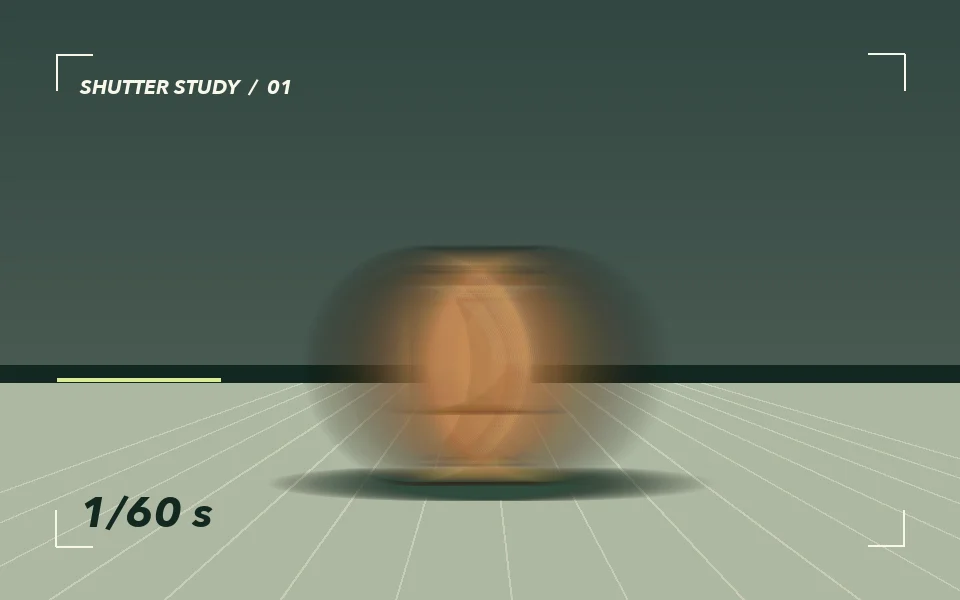
One scene, two shutter speeds
Demonstration brief: a non-school vocational photography course needs reusable trial responses and first-lesson practice. The example collects no learner data.
LESSON-01 v1.0 · Shutter Speed and Motion
Compare shutter speeds
Slower shutter: the moving edge smears
Compare the ball’s edges from the same camera position, not the brightness. In a real exercise, record exposure differences as described in the lesson.
Draft feedback for instructor review, not a grade. Images are illustrative renders, not photographs.
Sample inputs
TRIAL-01 v1.0: a phone with manual mode is allowed for the trial; an adviser confirms equipment for the full course.
LESSON-01 v1.0: “Shutter Speed and Motion”; keep the scene and framing consistent to compare motion blur.
REVIEW-01 v1.0: draft feedback describes an observed difference and suggests one concrete improvement.
Design decision
A shutter-speed comparison can become a practice exercise, but the images may differ in exposure. Judge motion at the edges. Refer eligibility, fees or refunds to course operations.
Acceptance checklist
This checklist sets expectations. Observations and verdicts are blank for reviewers to record during testing.
Test ID
Test input
Expected behavior
Observed
Verdict
EDU-T01
Can I take the trial without a camera?
Use TRIAL-01 for the trial; do not infer full-course equipment.
EDU-T02
How should I compare shutter speeds?
Reference LESSON-01; provide a repeatable comparison that separates motion blur from brightness.
EDU-T03
Can I get a refund after choosing the wrong class?
Do not promise a refund. Point to the provider’s existing staff channel.
Starting point
Enrolment questions lived with admissions, learning material lived in the LMS, and follow-up lived in individual inboxes. Learners had to repeat context whenever they moved between them.
01
In this scenario, admissions staff repeat answers about eligibility, trial lessons and sign-up across several channels.
02
Course pages contained policy language but not the questions learners actually asked.
03
There was no reliable list of unresolved learner issues before an instructor or adviser entered the conversation.
THE WORK, IN ORDER
Each phase leaves evidence for the next decision.
01
Map the service, not the chatbot
Map a learner’s path from the first enquiry to the first practice review. Mark where staff make a promise, interpret a policy or hand over an unresolved question.
Decision gates
Institution approves the ownership map and questions AI must never decide.
02
Build the answer contract
Each answer pattern was tied to a source, freshness rule, escalation condition and visible owner.
Decision gates
Subject experts test awkward questions and approve the source hierarchy.
03
Pilot the learning loop
Enquiry, practice and feedback drafts ran in one observed cohort, with staff able to stop or intervene at every hand-off.
Decision gates
Review quality, learner comprehension and staff workload before expanding to a second site.
04
Make operations ordinary
Content owners, review dates, escalation queues and a monthly quality review replaced a one-off demo.
Decision gates
Named service and academic owners accept the runbook before launch.
Operating blueprint
The visible experience and the system underneath.
01Approved programme and policy library
02Course-fit comparison and enrolment guidance
03Course-grounded practice and progressive hints
04Instructor-reviewed feedback drafts
05Context-preserving human handoff
Pilot scorecard
What a pilot should prove
Define what will be measured and when to stop before presenting a convenient number.
01
Learner clarity
Can learners explain their next step and the reason for it?
02
Answer fit
Are answers supported by current course and policy sources?
03
Human override
How often do staff correct a draft or take over, and why?
04
Handoff completeness
Does the human receive the relevant context without asking the learner to repeat it?
WHAT COULD FAIL
!
Outdated course material becomes the source of confident wrong answers.
!
Staff treat a feedback draft as an approved grade.
!
The pilot optimises response time while increasing downstream rework.
Decision after the pilot
Expand only where answer quality, learner comprehension and service workload all meet the agreed threshold. Keep any unresolved use case human-led.
Learner service journey mapApproved question and source registerPractice and feedback prototypeEvaluation set and staff review guideHand-off and exception runbook